Getting around Mexico City on a data plan is a different calculation than anywhere else. CDMX is the seventh-largest metro area in the world, and it operates on apps: Uber and InDriver have effectively replaced cash taxis for most travelers, and the safety argument for using them is real — ride-sharing with a digital paper trail is meaningfully safer than hailing a cab on the street, especially at night or in unfamiliar neighborhoods like Tepito or Doctores. The metro (Sistema de Transporte Colectivo) runs on a paper ticket system, but Google Maps and Moovit give you real-time routing through its 12 lines. Airbnb and Booking.com hosts in Condesa, Roma Norte, and Polanco communicate primarily via WhatsApp. Without a data plan, you are navigating the largest Spanish-speaking city on Earth using guesswork. With one, you eat at the right taco stand, skip the tourist trap, and make your Lucha Libre bout in Arena México before the third match.
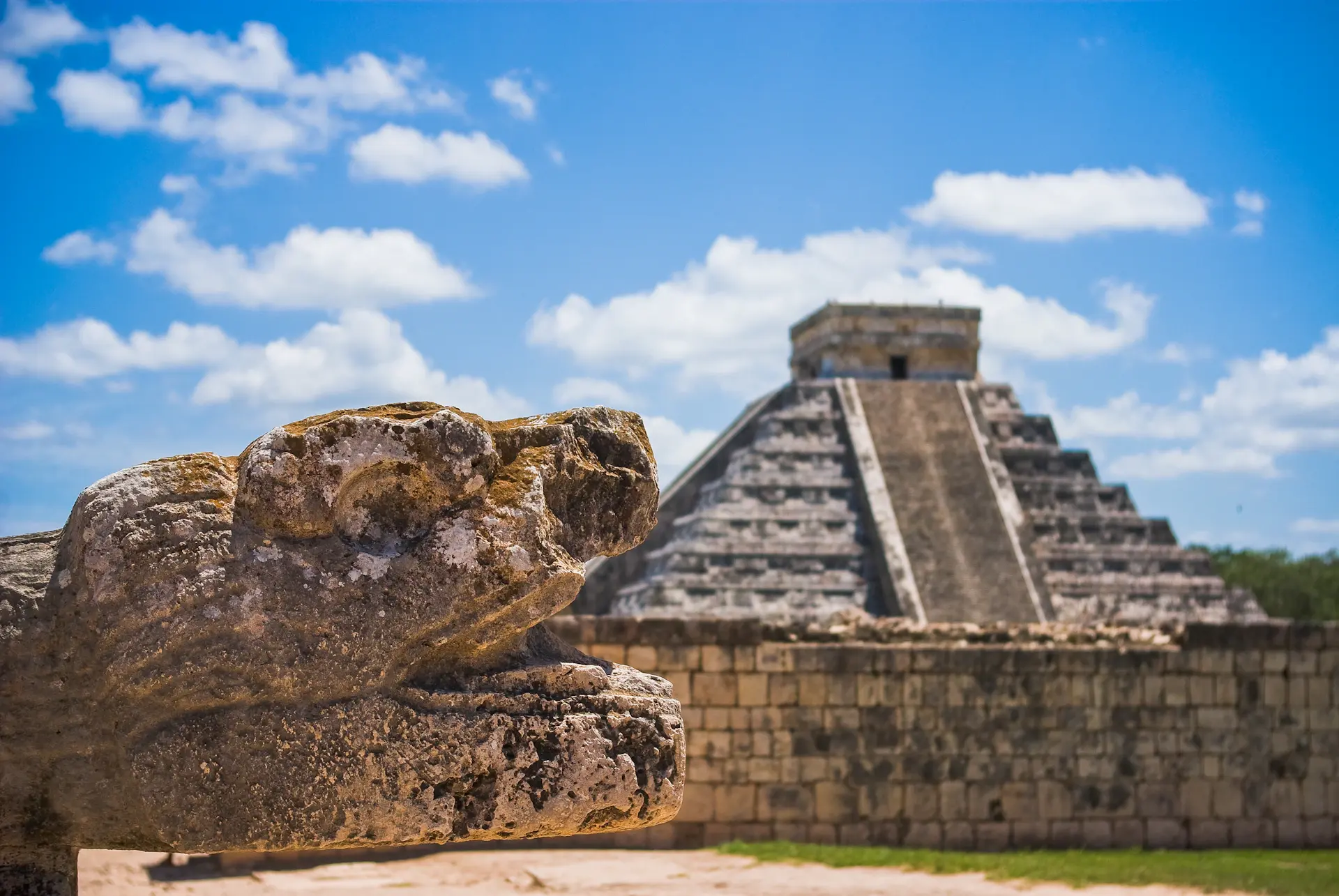
The Yucatán Peninsula is its own data ecosystem. The ADO bus network connects Cancún, Playa del Carmen, Tulum, Mérida, and Valladolid efficiently — and you book via their app or website, with digital tickets on your phone. Cenote tours increasingly use digital payment and booking systems; the days of showing up with cash and hoping for the best are not entirely gone, but WhatsApp booking with local guides is the norm now. Chichén Itzá is 2.5 hours from Cancún and has surprisingly decent coverage for a UNESCO World Heritage site in the middle of the jungle — enough for photos, maps, and sharing your "I was here" moment in real time. Playa del Carmen and Tulum have dense tourist infrastructure with solid connectivity; the issue in the Caribbean zone is not coverage but cost — foreign roaming rates from non-local SIMs can be punishing here because the area's popularity means operators know you're paying attention to your phone.
The Pacific coast tells a different story. Sayulita, north of Puerto Vallarta, has evolved from a surf village into a digital nomad node with decent WiFi in most cafés — but cellular coverage for heavy data is more variable than in the resort zones. Puerto Escondido in Oaxaca state draws surfers and remote workers; Telcel has reasonable coverage in town but the surrounding beaches (Zicatela, Punta Zicatela) can be inconsistent. For the Oaxaca city experience itself — mezcalería hopping in the Jalatlaco neighborhood, checking market hours for the Mercado de Benito Juárez, reading real-time reviews of mole restaurants on Google — solid data is simply part of the travel experience now. Oaxacan highlands (the Sierra Norte mountain villages) and the coast road through the Mixteca region will be patchy; load offline maps before you go.